


Food and wine pairings play an essential role in the gastronomic world. Many authors have written about the subject, and multiple theories and opinions abound. Only a few wine and food pairings can be deemed objectively perfect; since one’s taste remains very subjective and in any case absolutely respectable. Indeed, each of us possesses a different sensitivity to different aromas and tastes, on top of our own personal preferences.
Logic and perspective are essential in order to understand the combinations on a table. In which order should the wines be served? If you have prepared several bottles dedicated to a unique meal, we would advise starting with the dry whites, then on to the reds and finish with sweet wines. Champagnes should be served either as an aperitif, or with the dessert; they can even be served over the main dish when they are aged, complex and vinous.
The vast majority of amateurs and professionals would look for a wine best served with a dish. As cellar men, passionate about wines, we will voluntarily reverse the logic, and propose dishes that will best pair with the wines.
In both cases, understanding the different interactions between food and wines will enable you to match them in a smart way, so that their combination will bring more enjoyment and pleasure than if served separately. Here are a few simple keys that will introduce you to this epicurean world:
A sweet dish can diminish the perception of the fruitiness of a dry wine, and make it seem more acid and sour. In order to compensate for this risk, for a very sweet dish, we will generally choose a wine that is at least as sweet.
Salt is off course very common in most dishes, and has a welcome influence: it increases the perception of the fruitiness and of the wine’s body, and diminishes its sourness. We will then pick a wine that is all the more light-bodied that the dish is salty.
However, the sourness in a dish will accentuate the perception of the wine’s sourness. As always, some people are more sensitive than others, but fruity, full-bodied wines, well rounded, with extraction can decrease this sensation.
Pepper or spices bring a slight burn that is enjoyable, but that will be fired-up by the alcohol in the wine. It is therefore better to pick a light wine, low in alcohol, so as to compensate.
Umami is a much talked-about flavour, but it remains rather hard to identify. Umami can be found in eggs, in mushrooms (especially cooked), in asparagus, in many aged soft cheeses. This aroma makes the wines seem less fruity, harder-bodied, more sour and higher in alcohol. We will then choose a very fruity, round and supple wine, showing concentration, and avoid the younger wines whose ageing or tannins might not be fully integrated yet.
When choosing the wine that will best match a dish, we should also consider the overall balance of the flavours. With spicy or rich dishes, we will choose powerful wines, but more elegant wines for the delicate food.
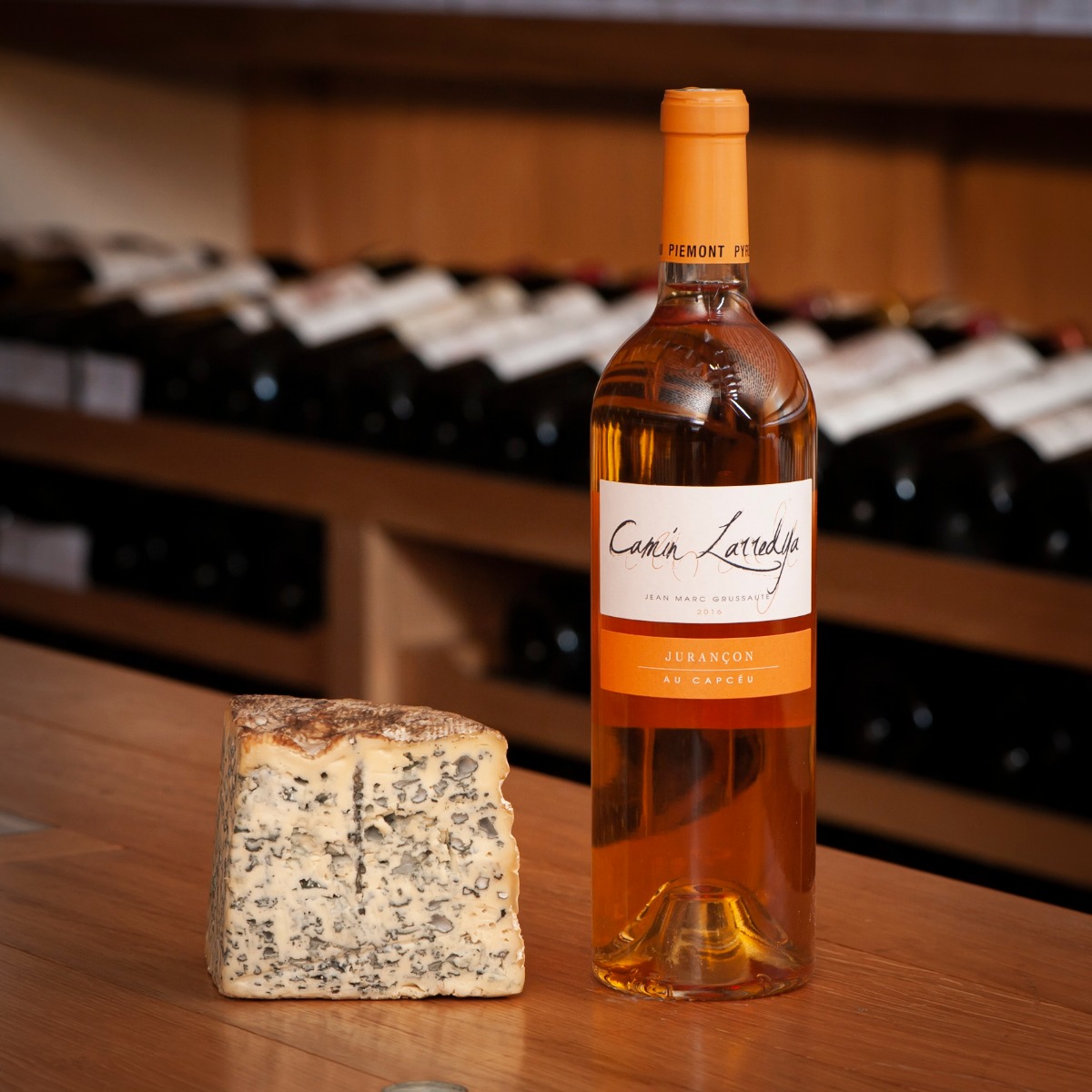
While always looking for balance, matching opposites (salty vs sweet, acid vs sour) can sometimes fit surprisingly well, and create a complementarity that will ravish your palate. Here are a few examples of these great combinations: a sweet wine will pair well with blue cheese or Roquefort; a dry white will match numerous desserts, like brownies or melted chocolate.
Some prefer to drink a wine with high acidity when the dish has an oily or a fat consistency. The sensation is that of the wine cutting through the texture of the dish, like a sharp knife. This is more of a feeling rather than a hard truth, it remains very subjective.
France has a very diverse terroir and agriculture, producing endless local specialties that can be used for so-called regional pairings. You could pair a white wine from Savoie with a raclette or melted cheese, you could choose an Irouleguy white or red with a « basquaise » chicken (prepared the Basque region way), or you could pair a boeuf Bourguignon with a red wine from Côtes-de-Nuits. A Sancerre white will also be a natural fit for the crottin de Chavignol, a goat cheese from the neighbouring village.
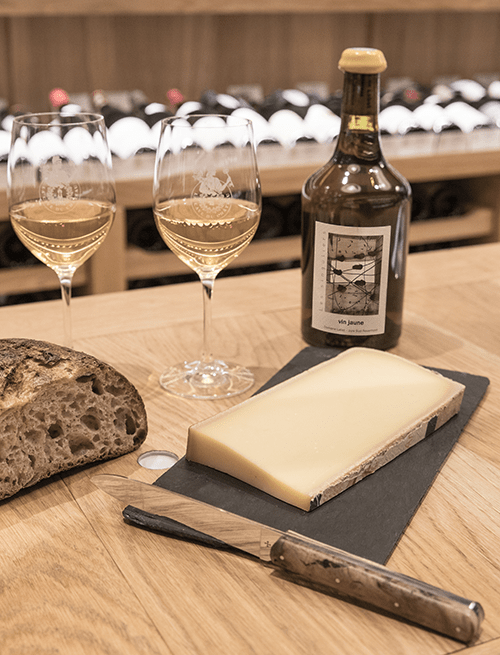
France is rich in gastronomic tradition, and boasts the greatest vineyard on the world: if the table is the meeting place of a plate and a bottle, the actual pairing possibilities are endless. Let us only cite yellow or oxidative wines that would match an old comté cheese, more tannic wines served over red meats with herbs, Sauternes with foie gras, Merlots from Pomerol with truffled dishes, dry and saline whites with shells and seafood, rosé wines from the south with barbecues, muted or liquorish wines with chocolate desserts.
Some prefer famous pairings, such as sweet wine over foie gras, or such as tannic reds over soft cheeses. The classic pairings remain sure bets, even if they fail to surprise. The role of the sommelier/cellar man is precisely to elaborate pairings that will reach beyond these classic possibilities: they might still be unknown to you, but would greatly increase your dining pleasure.
Keep your preferences in mind, but please dare to discover other wines in order to discover new tasting adventures.
Do not hesitate to ask for the advice of the sommelier/cellar men from La Cave du Château, we will be delighted to guide you.