
Main image
Click to view image in fullscreen

![]()
Domaine de la Vougeraie, Fine de Bourgogne 2001
Appellation :
Fine de Vin
€94.00
Incl. Tax
- Per unit
- 50cl
Stock available in stores
-
31 Av. Franklin Delano Roosevelt 75008 Paris
- Paris
- 8ème
Tel: 01 82 82 33 33 -
135 Av. Jean Jaurès 33600 Pessac
- Pessac
- Pavillon Catelan
Tel: 05 47 50 17 17 -
3 Place Tourny, 33000 Bordeaux
- Bordeaux
- Tourny
Tel: 05 47 50 55 55
In-store stock does not take into account availability at our warehouse.
Item available for click & collect within 6 working days. In case of emergency, please contact us.

Fast and secured delivery worldwide

Free click and collect at La Cave du Château

Direct sourcing and storage
under controlled temperature

Secured payment
The product
In details
The producer
Domaine de la Vougeraie
Domaine de la Vougeraie has established itself as a prestigious benchmark in the Côte d'Or, the result of the strategic blending of terroirs acquired by the Boisset family. Its relatively late creation, in 1999, is rooted in a land acquisition policy initiated in 1964 with the purchase of the first vineyard, "Les Evocelles" in Gevrey-Chambertin. Founded by Jean-Charles and Nathalie Boisset, the domain's name simultaneously honors the family home, "La Vougeraie," and the commune of Vougeot, considered the beating heart of the property.
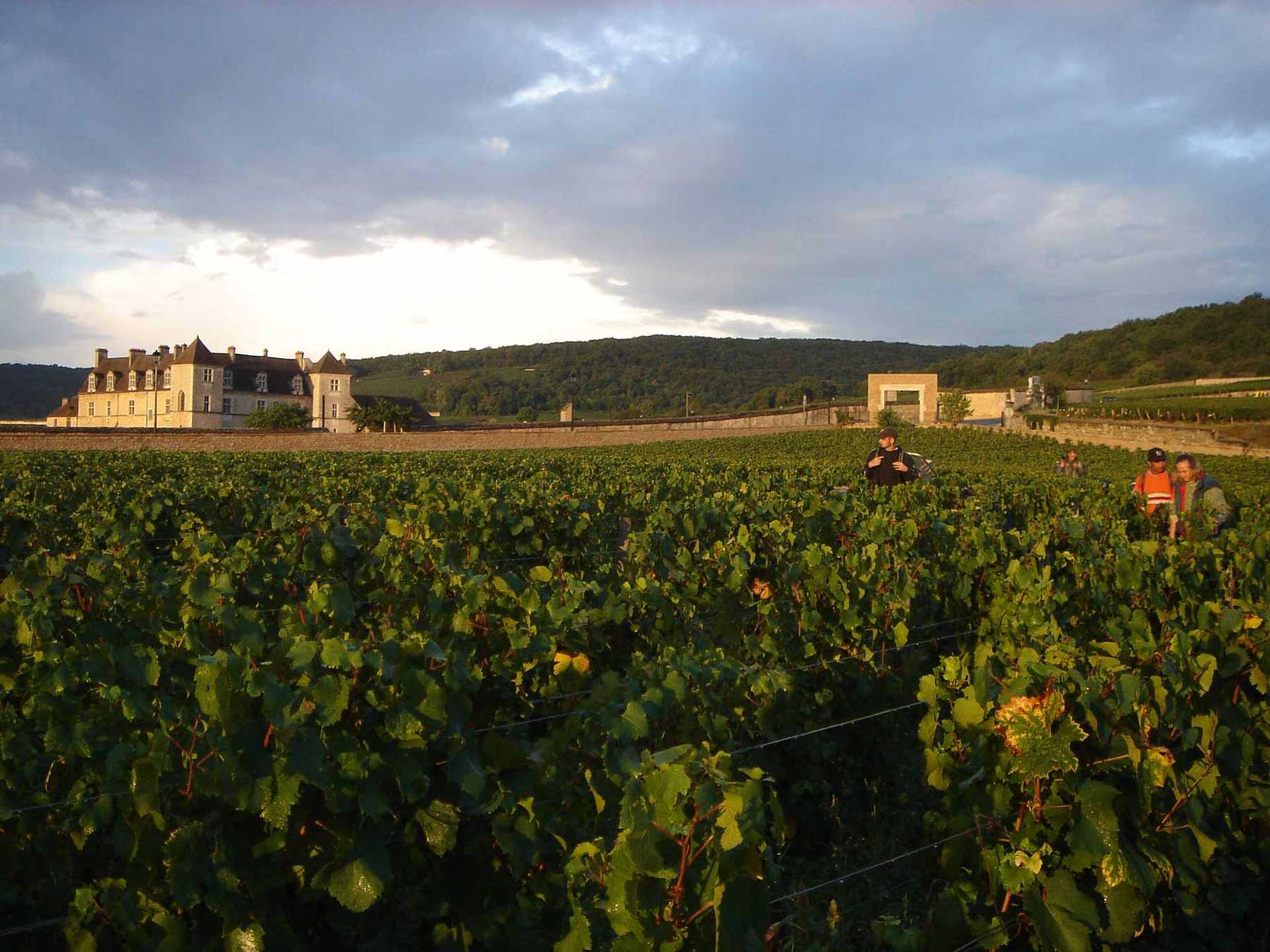
Domaine de la Vougeraie currently represents an exceptional heritage in Burgundy. It spans 44 hectares, divided into 72 parcels, covering 37 appellations across the Côte de Nuits and the Côte de Beaune. This diversity, made possible by the Boisset family's powerful acquisition capacity, grants the domain a unique geographical and stylistic coverage, enabling it to offer a comprehensive range of prestige wines.
The portfolio includes nine illustrious Grands Crus, such as Musigny, Bonnes Mares, Clos de Vougeot, Charmes-Chambertin for the reds, as well as Charlemagne, Bâtard-Montrachet, Bienvenues-Bâtard-Montrachet, and Chevalier-Montrachet for the whites. The domain also holds emblematic monopoles, notably the Vougeot Premier Cru Le Clos Blanc de Vougeot, a historic Chardonnay in the Côte de Nuits.
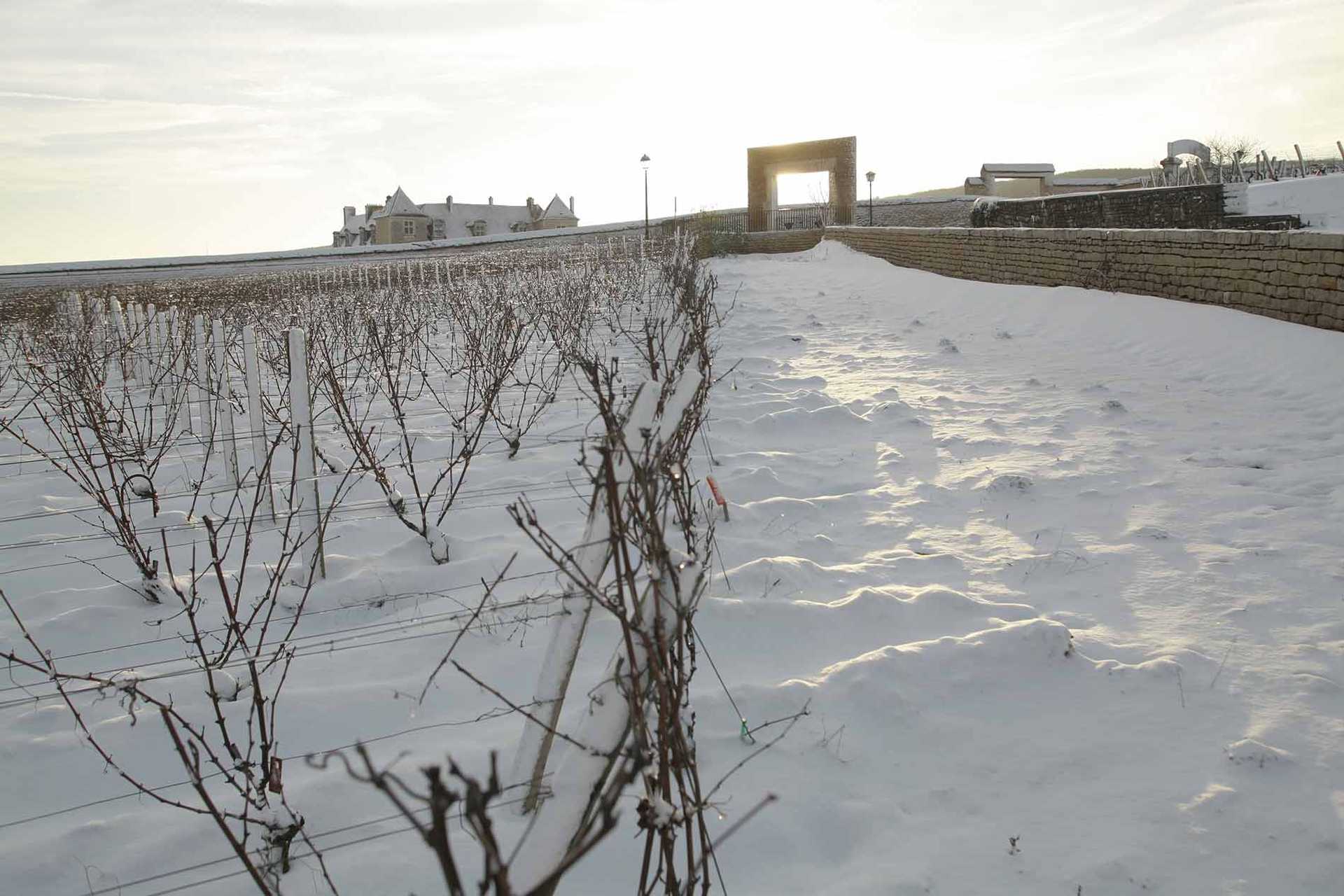
The identity of La Vougeraie is deeply rooted in its commitment to living viticulture. The domain transitioned to organic farming (Ecocert certification) as early as 1999, introducing biodynamics in 2001—a practice that is now widespread and certified by the Demeter label. This makes the domain a model for adapting this philosophy on a large scale in Burgundy.
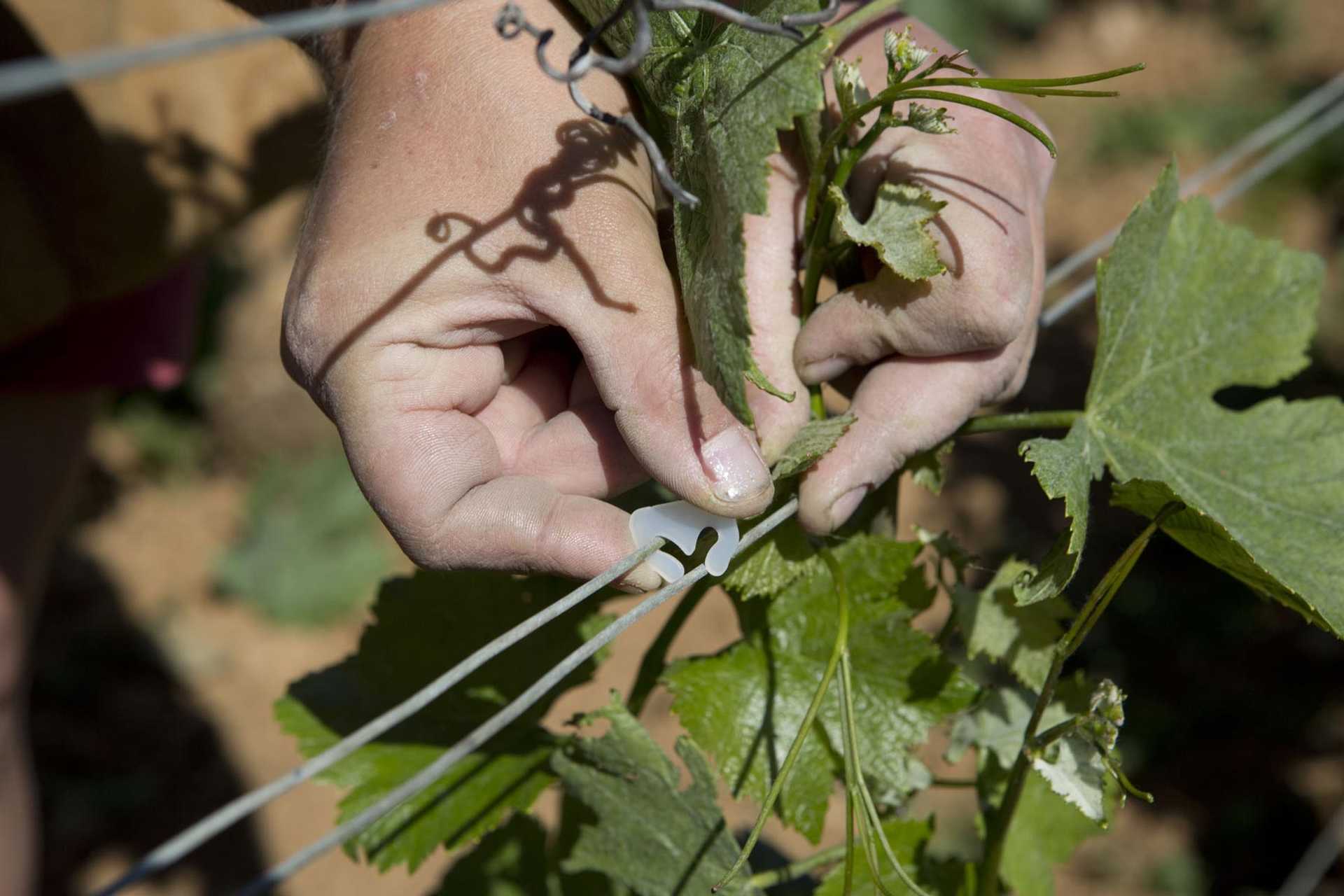
Work in the vineyard is extremely precise, focused on soil regeneration. The domain favors high planting densities (up to 10,000 vines/ha) and rigorous yield management. This commitment is evident in the use of horse plowing across 15 hectares of its best terroirs. Although logistically demanding, this method is fundamental to preventing the compaction of the limestone, ensuring soil health, and promoting deep root growth, which directly translates to the purity and minerality sought after in the finished wines. Furthermore, all vineyard operations and vinification are scheduled according to the lunar calendar, following an integral ecosystemic approach.
In the cellar, the approach is artisanal and non-interventionist, aiming to preserve the integrity of the fruit harvested through biodynamics. Grapes are hand-picked, and sorting is considered drastic to guarantee optimal quality, even in low-volume vintages. Cuvaison (vatting) is done by gravity, and fermentation uses indigenous yeasts.
The vinification of red wines has favored the use of whole clusters since 2008, but with meticulous adaptation to the vintage's characteristics. For instance, in 2021, whole clusters were limited to the Grands Crus, while pigeage (punching down the cap) was minimal to "respect the fruit" without extracting aggressive tannins.
Aging in barrels (generally 16 months) utilizes a moderate percentage of new oak (around 20%). Cellar operations, such as bottling, are planned according to cosmic rhythms (fruit or leaf days) to maximize the wines' purity and energy.
The style of La Vougeraie's wines is characterized by remarkable purity, natural concentration, and structural finesse. The red wines, particularly the Grands Crus (Musigny, Clos de Vougeot), are described as profound, possessing an "extra layer of perfume," a silky texture, and an elegantly architectural structure.
The white wines, especially the Premiers and Grands Crus, display a mineral and vibrant expression. They are often chiseled and intense, with a broad texture and complex flavors of citrus, toast, and grilled nuts (Vougeot 1er Cru Clos Blanc de Vougeot, Bâtard-Montrachet).